5 Ways You Can Keep Your Implant-Supported Dentures Clean and Functional
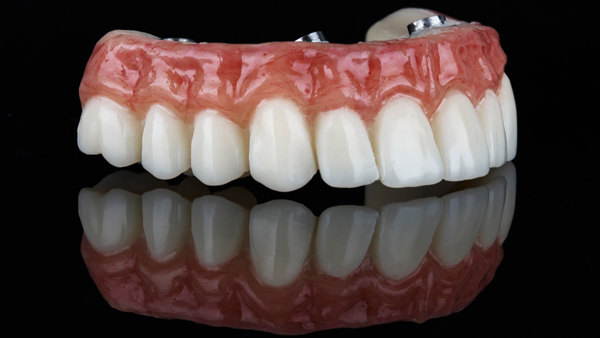
Implant supported dentures offer a reliable solution for tooth loss, but maintaining their function and appearance requires a daily commitment to care. These restorations stay firmly anchored compared to their traditional counterparts, yet they still rely on a healthy foundation of gum tissue and bone to work correctly. Here are five tips that aim to help you enjoy your implants for life and the attached dentures for decades.
1. Clean the implant-supported dentures every morning and evening
Brushing twice a day prevents the buildup of plaque that leads to bad breath and visible staining on the denture surface. A soft-bristled brush gently clears away food debris without scratching the materials. Consistency in this habit ensures that the smile looks bright and the prosthetic remains in peak condition. This routine also helps the wearer stay mindful of the overall state of the oral environment.
2. Focus on the implant-supported denture's attachment areas
The spots where the denture meets the metal anchors (abutments) in the jawbone require specific attention during the cleaning process. These spaces often trap small particles, which can cause irritation or gum inflammation if the cleaning process is too brief. Keeping these connectors clear supports a snug fit and prevents the growth of harmful bacteria around the implant posts.
3. Use specialized flossing tools for the implant-supported dentures
Standard floss often struggles with the unique shape and structure of implant-supported dentures, so specialized aids provide a much more thorough result. Floss threaders or water flossers help irrigate the hard-to-reach areas between the restoration and the gumline. These tools remove the hidden biofilm that a standard toothbrush might miss during a quick session. Using these aids daily protects the underlying bone from the infections that can lead to implant failure.
4. Remove and soak if designed to be removable
If the denture portion is removable, taking it out every night allows the gum tissues to rest and breathe. Soaking the prosthetic in a denture-specific solution helps reach the microscopic pores that a brush cannot access. This nightly routine is vital to maintaining the freshness and hygiene of the entire oral cavity. It also provides an opportunity to inspect the underside of the restoration for any signs of wear.
5. Maintain consistent professional checkups
Just because dentures cannot decay does not mean dental visits are unnecessary. Routine visits allow for a detailed inspection of the clips, screws, and O-rings that secure the implant-supported dentures. Professional cleanings also reach the areas beneath the prosthetic that are impossible to access through home care alone. These checkups also ensure that the bite remains aligned and the restoration stays comfortable for the long haul. Early detection of minor wear on the attachments prevents larger mechanical issues from developing later.
Call us for more information
Maintaining implant-supported dentures requires diligent home care and regular professional oversight to achieve the best possible results. Every step of the process, from choosing the right flossing tools to avoiding hard foods, contributes to a more durable and beautiful smile. A healthy oral environment supports the longevity of the implants and keeps the prosthetic functioning seamlessly for years. For more information or more tips and tricks on caring for your implant-supported dentures, contact our office.
Request an appointment here: https://www.mylakeshoredentistry.com or call Lakeshore Dental at (972) 961-8636 for an appointment in our Rockwall office.
Check out what others are saying about our dental services on Yelp: Implant Supported Dentures in Rockwall, TX.
Related Posts
If you are wondering what type of dentures are right for you, now may be a good time to consider acrylic dentures. Acrylic dentures are made from 100 percent acrylic and unlike other types of dentures, they do not have any metal substructures to offer support. The dentures are ideal for permanent and temporary denture…
Many individuals ask cosmetic dentists whether at-home whitening can deliver noticeable results for their smile. While the answer is yes under certain conditions, effectiveness depends on the method used, the type of stain, and the consistency of treatment. Not all over-the-counter choices provide the same level of safety, comfort, or long-term success when you want…
Gaps in a smile can make everyday tasks like eating or talking uncomfortable. Fortunately, dental bridges remain a reliable dental restoration to replace missing teeth and restore your everyday chewing function. This guide provides the information you need about the four types of dental bridges and helps you choose the right option for your unique…
Are you considering removing your wisdom teeth? Wisdom tooth extraction is an oral surgery often required when the wisdom teeth on the jaw are causing discomfort or posing a risk of harming the surrounding teeth. The procedure is performed on an outpatient basis, and the dentist will provide instructions on what the patient should do…