A Snapshot of the Four Types of Dental Bridges
Gaps in a smile can make everyday tasks like eating or talking uncomfortable. Fortunately, dental bridges remain a reliable dental restoration to replace missing teeth and restore your everyday chewing function. This guide provides the information you need about the four types of dental bridges and helps you choose the right option for your unique smile.
What are dental bridges?
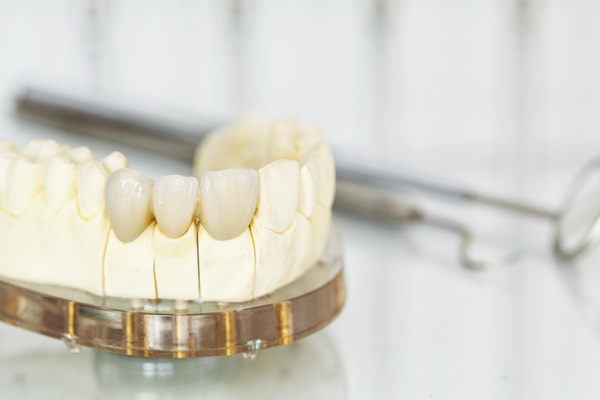
Dental bridges fill empty spaces left behind by missing teeth. These custom appliances anchor a synthetic tooth, called a pontic, between supporting natural teeth or dental implants. Beyond improving the appearance of the patient’s smile, these restorations help maintain proper bite alignment and distribute chewing forces evenly. They also reduce the risk of neighboring teeth shifting to fill the empty spaces.
The four main types of dental bridges
There are four main types of dental bridge designs, as no two smiles are the same. The option that patients choose depends on a few factors, such as the location of the missing tooth, the condition of surrounding teeth, and their overall oral health. These aspects can influence the dentist’s recommendation.
1. Traditional dental bridges
Traditional dental bridges are the most common choice for this type of restoration. In this design, the dentist places custom crowns over healthy teeth on both sides of the gap to hold the replacement tooth in place. The dentist uses high-quality materials like ceramic or porcelain that match natural tooth color while providing dependable durability. This style works best when strong natural teeth are on either side of the gap. Traditional bridge restorations restore the patient’s full chewing power while maintaining the smile's alignment.
2. Cantilever dental bridges
Cantilever dental bridges work much like traditional options but connect to one supporting tooth instead of two. Dentists use this design when there are healthy teeth on only one side of the missing space. They may recommend this style for areas with lighter chewing forces, such as the front teeth, to prevent excessive stress on the supporting tooth.
3. Maryland dental bridges
Maryland dental bridges offer a more conservative approach to this type of restoration. They attach a replacement tooth using thin metal or ceramic wings bonded directly to the back of the neighboring teeth. These dental bridges leave natural teeth intact because full crown preparation is unnecessary. Maryland dental bridges are ideal for replacing the front teeth that do not require a lot of chewing power and where patients want to preserve the appearance of their smile.
4. Implant-supported dental bridges
Implant-supported dental bridges rely on small titanium posts placed into the jawbone rather than natural teeth. These implants create a solid base that supports restorations without altering healthy nearby teeth. Implant-supported bridges offer long-term stability and help prevent jawbone loss after losing a tooth. Additionally, patients missing several teeth in a single arch benefit from this long-lasting solution.
Learn more about dental bridges
A consultation with a trusted dental professional allows you to explore dental bridge options and select the right one for your smile. Do you have a question for our team? Schedule a visit today at our Rockwall office and learn more about the dental restoration methods we offer.
Request an appointment here: https://www.mylakeshoredentistry.com or call Lakeshore Dental at (972) 961-8636 for an appointment in our Rockwall office.
Check out what others are saying about our dental services on Yelp: Dental Bridges in Rockwall, TX.
Related Posts
A dental bridge works by filling up the gaps created by lost teeth. Dental implants or crowns support the pontic or prosthetic tooth from either side. Dental bridges provide many benefits, including improving one's ability to eat and communicate. They help protect the jawbone and stop the rest of the teeth from moving into the…
Dental crowns can treat many different concerns. They can repair damaged teeth, attach to dental implants for teeth replacement, and more. Two of the main types of dental crowns are metal and porcelain crowns. Both are effective solutions, but one may be preferable to another depending on the intended purpose.Your dentist should help you decide…
A dental crown is a cap that fits over a person’s tooth. A crown is commonly used to restore decayed, missing, or cracked tooth structure. Whether a dental crown is ideal for you will depend on the condition of your teeth and the issue you are trying to fix. Read on to find out more…
Many individuals ask cosmetic dentists whether at-home whitening can deliver noticeable results for their smile. While the answer is yes under certain conditions, effectiveness depends on the method used, the type of stain, and the consistency of treatment. Not all over-the-counter choices provide the same level of safety, comfort, or long-term success when you want…